

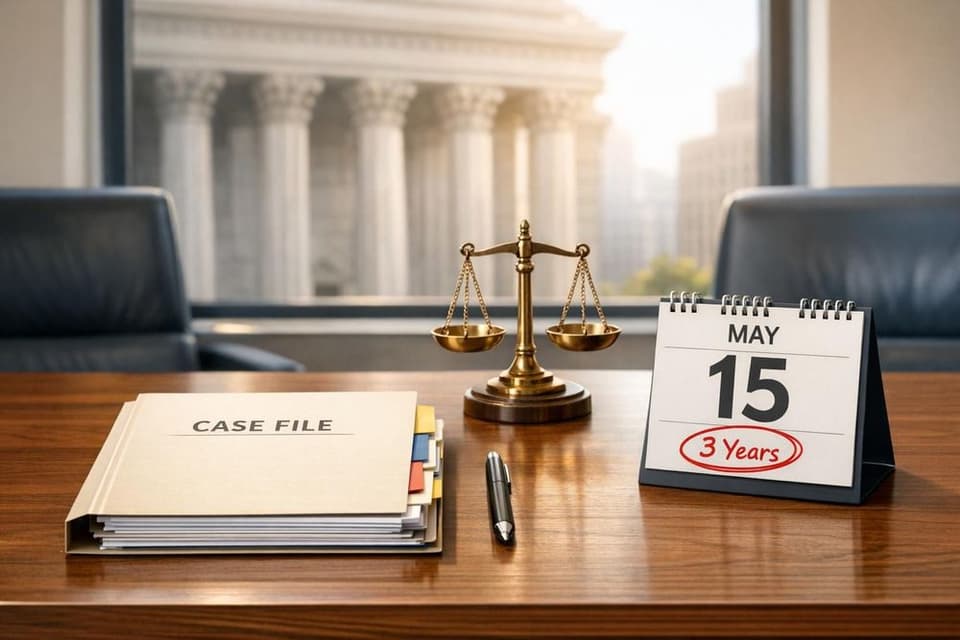
Navigating debt collection in New York is complex due to strict regulations, including a shortened statute of limitations of three years for consumer credit transactions. Debt collection attorneys play a critical role in ensuring compliance with state and federal laws while helping creditors recover debts. They manage legal documentation, enforce judgments, and handle challenges like wage garnishments, asset seizures, and process serving. Without proper legal guidance, creditors risk violating laws or losing the ability to collect debts.
Key Takeaways:
- Short Statute of Limitations: Only three years for consumer credit transactions.
- Strict Documentation Rules: Lawsuits require detailed proof, such as original contracts and charge-off statements.
- Debtor Protections: Laws prevent restarting expired debts and require collectors to provide validation within 60 days upon request.
- Enforcement Methods: Attorneys use wage garnishment, asset seizure, and post-judgment discovery to recover debts.
- Legal Compliance: Non-compliance can result in penalties, fines, or dismissed cases.
Hiring an experienced debt collection attorney ensures creditors navigate these challenges effectively, avoid costly errors, and maximize recovery efforts.
Ep 97 | Steven Berkovitch & Ariel Bouskila | BBLaw NYC Alternative Financing & Debt Collection
New York Debt Collection Laws and Regulations
New York Debt Collection Violations and Penalties Guide
New York Debt Collection Violations and Penalties Guide
State and Federal Laws That Apply
Debt collection in New York operates under a combination of state and federal laws. Federally, the Fair Debt Collection Practices Act (FDCPA) sets the standard by prohibiting practices like harassment, calling at inconvenient hours, or misrepresenting the amount owed. However, this law applies only to third-party collectors, not original creditors.
On the state level, the Consumer Credit Fairness Act (CCFA), enacted in November 2021, shortened the statute of limitations for debt collection from six years to three. Additionally, New York General Business Law Section 601 explicitly bans creditor actions such as threatening to reveal disputed debts to employers. The state also enforces 23 NYCRR 1, a regulation requiring third-party collectors and debt buyers to provide clear disclosures and proof of the debt when requested.
In New York City, additional rules further strengthen consumer protections. For instance, local regulations allow consumers to dispute debts either verbally or electronically. They also require collectors to include specific language in their communications about statute of limitations disclosures. Navigating these overlapping regulations can be complex, so businesses often rely on legal guidance to ensure compliance.
Debtor Rights and Legal Protections
New York offers a range of legal protections for debtors. One key safeguard is the anti-revival rule, which ensures that once the three-year statute of limitations expires, collectors cannot restart the clock by accepting partial payments or acknowledgments of the debt. This prevents consumers from being trapped in endless collection cycles.
Debtors also have the right to request validation of a debt. Collectors must provide detailed substantiation, including the original charge-off amount, accrued interest, and any applied fees or payments. During this 60-day period, all collection activities must pause. Additionally, once a settlement is reached, collectors must send written confirmation within five days. After full payment is made, a confirmation of the payoff must be provided within 20 days. These protections help ensure transparency and fairness in the collection process, with attorneys often advising clients to adhere strictly to these rules.
Compliance Requirements for Businesses
Failure to comply with New York's debt collection laws can lead to severe penalties. Violations of General Business Law § 601 are classified as misdemeanors, with each violation treated as a separate offense. For example, a first-time breach of GBL § 601-a can result in a civil penalty of up to $250, while subsequent violations can incur fines of up to $500.
Here’s a breakdown of common violations and their consequences:
| Violation Type | Penalty/Consequence | Legal Authority |
|---|---|---|
| Violation of GBL § 601 | Misdemeanor (each violation is a separate offense) | NY GBL § 602 |
| First violation of GBL § 601-a | Civil penalty up to $250 | NY GBL § 602 |
| Subsequent violations of GBL § 601-a | Civil penalty up to $500 | NY GBL § 602 |
| Information Subpoena non-compliance | $10 per subpoena plus court costs and attorney fees | NY GBL § 602 |
| Failure to substantiate debt (60 days) | Collection must cease; DFS enforcement action | 23 NYCRR 1 |
| FDCPA Violations | Monetary damages plus attorney fees | 15 U.S.C. § 1692k |
For creditors issuing more than 50 information subpoenas per month, additional liabilities may apply, including recovery costs of $10 per subpoena, along with court fees and attorney expenses. Enforcement of these rules is carried out by the New York Attorney General, local District Attorneys, and the Department of Financial Services.
To avoid these penalties, businesses often turn to attorneys to audit their collection practices, verify documentation, and draft disclosures that align with both state and city regulations. This proactive approach helps ensure compliance and reduces legal risks.
Debt Recovery and Enforcement Methods
Once a judgment is secured, attorneys shift focus to executing recovery strategies. These methods demonstrate how legal professionals enforce judgments within the framework of New York law, which provides various tools with specific rules and limitations.
Wage Garnishment and Income Execution
In New York, wage garnishment - referred to legally as "income execution" under CPLR §5231 - is a two-step process. First, the sheriff serves the debtor, giving them 20 days to begin voluntary installment payments. If the debtor fails to comply, the sheriff then serves the employer. Service can be done via certified mail to a central corporate office. Garnishment is limited to the lesser of 10% of the debtor's gross wages or 25% of their disposable income, and no deductions are allowed if the debtor's weekly disposable income falls below 30 times the minimum wage.
"In New York, a creditor can garnish the lesser of 10% of your gross wages or 25% of your disposable income to the extent that this amount exceeds 30 times the federal or state minimum wage." - Amy Loftsgordon, Attorney, Nolo
However, there are restrictions. Income execution cannot be applied to judgments stemming from medical debt brought by licensed hospitals or healthcare professionals, as outlined in CPLR §5231(b)(iv). For instance, in February 2026, the case of Rifky Hirsch v. Fia Card Services, N.A. and Ronald Moses (NYC Marshal) in Kings County Supreme Court highlighted a dispute over a notice of levy served on an employer to deduct 10% of the debtor's gross salary. If wage garnishment is insufficient, attorneys may pursue a writ of execution to target non-exempt assets.
Asset Seizure and Property Execution
When wage garnishment isn't enough, attorneys can request a court-issued writ of execution to allow sheriffs or city marshals to seize and sell a debtor's non-exempt personal property - such as vehicles, jewelry, or business equipment - at public auction. For real property, a lien is established by filing the judgment with the county clerk where the property is located. These liens are valid for 10 years and can be renewed once, while money judgments remain enforceable for up to 20 years.
Certain protections are in place for debtors. Bank accounts receiving exempt payments are safeguarded up to $2,500, and exempt income accounts must maintain a minimum balance of $3,600. Additionally, attorneys must serve an "Exemption Notice" and "Exemption Claim Forms" within four days of a levy to comply with the Exempt Income Protection Act.
"No property lien shall be entered or enforced against a debtor's primary residence in an action arising from a medical debt and brought by a hospital... or a health care professional." - NY CPLR §5201
In January 2026, Thomann Asphalt Paving Corp. filed a petition for judgment enforcement in Niagara County against Mike Barney's Super Sports, Inc., utilizing multiple income executions to recover a $185,892 judgment. For assets held by third parties, CPLR 5225(b) turnover proceedings can be initiated. Under the Koehler doctrine, even assets in foreign bank branches with a New York presence may be targeted. After asset seizures, attorneys often conduct a detailed financial review to explore further recovery options.
Post-Judgment Discovery Methods
To identify assets for seizure, attorneys rely on post-judgment discovery tools. CPLR Section 5223 allows for broad disclosure of any information relevant to satisfying a judgment. One common tool is the information subpoena, which compels debtors or third parties (like banks or employers) to reveal asset details. The Court Clerk charges $3.00 to issue and sign an information subpoena, which must be served with two copies of the questions and a stamped, self-addressed envelope via certified mail. For example, a canceled check might reveal a debtor's bank account information.
"An information subpoena is a legal document that requires a person, a corporation, some other business, or the judgment debtor him or herself to answer certain questions about where the judgment debtor's assets can be found." - New York State Unified Court System
Other tools include subpoenas duces tecum, which compel the production of financial documents like bank statements or tax returns, and deposition subpoenas to question debtors under oath about their income and assets. Attorneys may also seek records from entities like the Department of Motor Vehicles or the Secretary of State. Additionally, restraining notices can freeze bank accounts for up to a year while creditors assess the holdings. If a settlement is reached after hiring an enforcement officer, creditors may still face a 5% fee on the settlement amount.
Negotiations and Settlement Agreements
Aggressive enforcement isn't always necessary. Attorneys often negotiate payment plans or lump-sum settlements, enabling creditors to recover part of the debt while sparing debtors from wage garnishment or asset seizure. These agreements typically include clear payment terms, default clauses, and liability releases. When multiple judgments are involved, attorneys may prioritize debts based on recovery potential, as executions are satisfied in the order they are served.
Settlements also help reduce enforcement costs. If these costs approach the debt's value, negotiating an agreement becomes a practical and cost-saving alternative.
How Attorneys Support Debt Trading and Portfolio Recovery
Debt collection attorneys play a crucial role in debt trading and portfolio recovery, especially in states like New York, where strict regulations such as the Consumer Credit Fairness Act and 23 NYCRR 1 set high compliance standards. Their involvement ensures that transactions are legally sound, reducing risks and protecting the value of debt portfolios.
Legal Support for Debt Buyers and Sellers
Attorneys are essential in making sure debt trading transactions align with New York's regulatory requirements. They confirm the complete chain of title and secure affidavits from the original creditor - both of which are mandatory for obtaining a default judgment in New York. Without these, legal action becomes impossible.
In addition to verifying documentation, legal counsel drafts and negotiates purchase and sale agreements, safeguarding the interests of both buyers and sellers. They ensure that each account includes key documents, such as the original signed contract or charge-off statement, which New York law requires to be attached to any legal complaint. Attorneys also conduct statute of limitations audits, identifying debts that fall within the three-year period dictated by the Consumer Credit Fairness Act.
"Debt collectors who do not own the debt and therefore cannot extinguish the debt can avoid potential violations by ensuring that the debt can be substantiated before commencing collections..." - New York State Department of Financial Services
Legal experts oversee third-party collectors, ensuring adherence to state and federal laws like the FDCPA and TCPA. They also provide guidance on data and cybersecurity during portfolio transfers, ensuring compliance with privacy regulations when handling consumer information.
Improving Portfolio Recovery Processes
Once compliance is established, attorneys focus on strategies to maximize recovery. They verify that accounts meet substantiation requirements under 23 NYCRR 1.4, which mandates collectors to provide documentation within 60 days of a consumer dispute. Collection efforts must pause until substantiation is completed. Attorneys also implement quarterly accounting systems to manage payment plans effectively.
Strategic litigation is another critical aspect. Attorneys make sure complaints include all necessary details, such as the original creditor's name, the last four digits of the account number, and a breakdown of principal, interest, and fees. They also help firms avoid costly mistakes, like attempting to collect on time-barred debts (commonly referred to as "zombie" debts), which can lead to statutory damages and counterclaims.
For higher-value accounts, attorneys focus on post-judgment enforcement methods like wage garnishment, property executions, and restraining notices to turn legal victories into recovered funds. Before finalizing portfolio purchases, they conduct compliance audits to identify potential liabilities related to CFPB, FDCPA, and TCPA regulations.
"We regularly advise clients on compliance and audit controls, developing client-specific policies and procedures and compliance/training programs that minimize the risk of compliance liabilities." - Weltman, Weinberg & Reis Co., LPA
Working with Platforms Like Debexpert
Debexpert
Digital platforms like Debexpert have revolutionized debt trading by offering tools such as portfolio analytics, auction setup, and secure file sharing. Attorneys work alongside these platforms to ensure every transaction complies with New York's legal standards. Before a portfolio is listed on Debexpert, legal counsel verifies that the seller can provide required documentation, such as the original signed contract or charge-off statement. They also review the chain of title to prevent future legal disputes.
During the auction process, attorneys review bidder agreements and ensure data transfers comply with privacy laws. After the sale, they confirm that collection firms hold the necessary municipal licenses for areas like New York City, Buffalo, or Yonkers if they plan to collect in those locations. By blending legal oversight with Debexpert's digital tools, attorneys streamline the process, reducing risks and improving recovery outcomes for both buyers and sellers. This collaboration ensures that transactions align with New York's stringent regulatory framework while leveraging the efficiency of modern technology.
Selecting a Debt Collection Attorney in New York
Navigating the legal maze of debt collection in New York requires an attorney with specialized expertise. The state's strict regulatory environment - shaped by laws like the Consumer Credit Fairness Act, the federal Fair Debt Collection Practices Act (FDCPA), and DFS regulation 23 NYCRR 1 - demands a deep understanding of both state and federal requirements. Choosing the right attorney can make all the difference between recovering your debt and wasting time on ineffective strategies. Look for someone with a proven track record, thorough knowledge of New York courts, and a fee structure that aligns with your financial goals. Below, we’ll dive into what defines an effective debt collection attorney and how to choose one.
What to Look for in an Attorney
First and foremost, ensure the attorney is licensed to practice in New York. Many also hold admission to U.S. District Courts, which is critical for handling federal litigation and FDCPA claims.
Check if the attorney has been screened by trusted organizations like the New York City Bar Legal Referral Service. This screening process evaluates their experience, ethics, and office practices. As Jocelyn Nager, Managing Partner at Frank, Frank, Goldstein & Nager P.C., explains:
"Finding the right New York debt collection lawyer to handle your claim will prevent you from throwing good money after bad and will mean the difference between getting paid and not getting paid".
A specialized focus on debt collection is crucial. Attorneys with years of experience in this field are less likely to face conflicts of interest. Some have even secured verdicts exceeding $1.5 million in complex cases. It’s also helpful if they have expertise in related areas like commercial litigation, judgment enforcement, or bankruptcy.
Local proximity can also play a role. Attorneys based near the debtor are often more familiar with local court procedures and judges, which can streamline the process. You can verify an attorney’s litigation history through New York state court records.
Additionally, ensure the attorney understands New York-specific regulations, such as the three-year statute of limitations on most consumer credit transactions. They should also know that partial payments on a debt don’t restart the clock on this period. Debt collectors must provide documentation within 60 days of a consumer’s request and halt collection efforts until that substantiation is delivered. With these criteria in mind, you’ll be better prepared to narrow down your options.
Questions to Ask During Your Consultation
When meeting with a potential attorney, focus on their experience and strategies. Ask about their success rate in cases similar to yours and request references or testimonials from clients in your industry. Gauge their understanding of the ever-changing legal landscape in New York.
Inquire about their post-judgment enforcement methods. Effective attorneys should have a clear plan for actions like wage garnishment, bank account seizures, or property execution. Also, ask how often they’ll update you on your case and whether they have the capacity to take it on immediately.
Pay attention to their communication style during your consultation. They should explain legal processes in plain, straightforward language. An attorney familiar with your industry will also be better equipped to address defenses and nuances specific to your business.
Don’t overlook questions about substantiation requirements. Under New York law, if a debt is disputed, the attorney must provide supporting documentation, such as the original contract or charge-off statement, and pause collection efforts until this is done. They must also inform consumers if a debt is time-barred, as pursuing such debts violates the FDCPA. Finally, clarify their fee structure to ensure it aligns with your budget and recovery goals.
Attorney Fee Structures Explained
New York debt collection attorneys generally offer three main fee structures: contingency fees, hourly rates, and flat fees. The right choice depends on your case’s complexity and your financial priorities.
- Contingency fees: The attorney takes a percentage of the recovered amount, aligning their interests with yours. However, keep in mind that attorney’s fees can only be recovered from the debtor if the underlying contract explicitly allows it. In New York, getting a judgment for attorney’s fees often requires an "inquest", which can delay the process by several months.
- Hourly rates: This structure is common for complex cases or commercial litigation. While it provides transparency on time spent, costs can rise if the case drags on.
- Flat fees: These offer predictability for specific services, like sending demand letters or filing a complaint. Some firms may combine flat fees with other structures, depending on the case’s stage.
Before signing any agreement, clarify what services are covered and whether additional costs - like court filing fees or process server charges - will apply. Understanding these details upfront ensures you can budget appropriately and avoid unexpected expenses during your debt recovery efforts.
Conclusion
Recovering debt in New York comes with a maze of legal requirements. The Consumer Credit Fairness Act has shortened the statute of limitations for consumer debt to three years (down from six). Starting April 1, 2025, New York City will widen the definition of "debt collector" to include first-party creditors, adding another layer of complexity to the process. Navigating these changes without missteps - like pursuing time-barred debts or missing the 60-day substantiation deadline - requires a skilled debt collection attorney.
Failing to comply with New York City’s debt collection rules can be costly. Penalties include fines up to $3,500 per violation and a 2% annual interest rate on consumer debt judgments. Worse, mistakes could open the door to FDCPA counterclaims, further increasing financial and legal risks.
An experienced attorney is essential for successfully managing these challenges. They handle everything from preparing proper documentation to enforcing judgments through methods like wage garnishment or asset seizure. They also ensure compliance with strict recordkeeping and call recording rules, helping you avoid liability for third-party contractor violations.
Whether you’re overseeing a large debt portfolio or pursuing a single claim, the right legal support turns a daunting process into a manageable one. As discussed throughout this guide, a knowledgeable attorney resolves substantiation issues, ensures compliance with evolving regulations, and safeguards your interests in this complex legal environment. Their expertise transforms challenges into opportunities for effective debt recovery.
FAQs
How do I know if a debt is time-barred in New York?
To figure out if a debt is time-barred in New York, you’ll need to know the statute of limitations for that particular type of debt. This time period begins either from the date of your last payment or when a payment was missed. Once the statute of limitations runs out, the creditor can no longer sue you to collect the debt. However, they might still attempt to contact you for payment. For precise timelines, it’s a good idea to consult legal resources or seek advice from a professional.
What documents do I need before filing a debt collection lawsuit?
Before starting a debt collection lawsuit in New York, you'll need to gather some crucial documents. These include the original contract or agreement, the most recent invoice or statement showing the transaction, and the latest account statement that reflects the balance owed. For revolving credit accounts, a charge-off statement can be used instead of the original agreement. Additionally, the complaint must include specific details such as the last four digits of the account number and the date of the last payment.
What can I do after getting a judgment if the debtor won’t pay?
After securing a judgment in New York, the next step is enforcement, which can involve actions like wage garnishments, bank levies, or seizing assets. Each of these methods typically requires filing documents with the court and following detailed legal procedures. Working with a skilled judgment enforcement attorney can make a big difference. They can help track down hidden assets, handle the legal intricacies, and increase the likelihood of recovering what you're owed - especially when the debtor is unwilling to cooperate.
